EQ Saturday Sapience #196
Equity Intelligence 7th November 2026
“What you have to learn is to fold early when the odds are against you, or if you have a big edge, back it heavily because you don't get a big edge often.” —Charlie Munger
India's Growth Story: Separating Opportunity from Narrative
Raunak Onkar of PPFAS Mutual Fund discusses why investors must look beyond attractive narratives and assess execution, cash flows and returns on capital. From manufacturing and the PLI push to small and midcap valuations, he explains why a strong industry outlook does not automatically make every company a good investment. He also shares PPFAS's approach to holding cash and maintaining discipline when market valuations become stretched. The real opportunity lies in identifying businesses that can turn growth potential into sustainable returns. Watch here
Can Cutting LTCG Tax Bring Foreign Investors Back?
Foreign portfolio investors have pulled out nearly $64 billion from Indian equities over the past 25 months. With SEBI reportedly recommending the removal of LTCG tax for foreign investors, the government is considering whether tax relief could make Indian markets more attractive. But taxes may be only a small part of the problem. India's valuation premium over emerging markets has narrowed from 97% in September 2024 to 47%, indicating that the relative valuation gap has reduced considerably. Indian equities currently have an earnings yield of over 5%, removing LTCG tax could add over 2% points to average annual dollar returns for foreign investors. However, earnings growth, relative valuations, crude oil prices and rupee stability remain much bigger determinants of where global capital flows. Read more
The Business Behind a Bottle of Beer
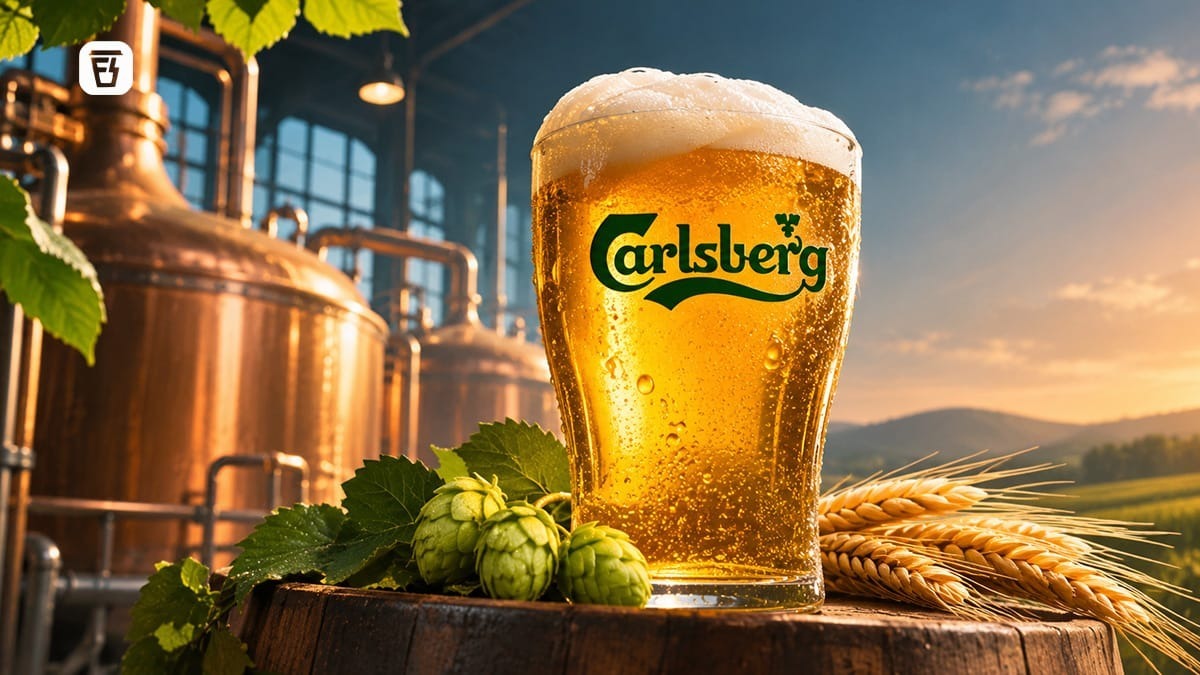
Carlsberg sells roughly one in five beers consumed in India, compared with United Breweries' nearly 50% market share. Yet in FY26, Carlsberg reported an EBITDA margin of 20.9%, more than twice United Breweries' 9.2%. The secret lies partly in premiumisation. Premium beer costs only marginally more to produce than regular beer, yet commands a significantly higher selling price. Carlsberg has steadily increased the contribution of premium and super-premium brands, while also benefiting from economies of scale as brewery volumes grow. But the business has its vulnerabilities. Beer is expensive to transport, packaging accounts for a large share of raw material costs, and state governments regulate pricing. Q1 FY27 saw higher input and marketing costs, alongside greater reliance on external breweries, which impacted Carlsberg’s margins. Ultimately, pricing power matters only when it is sufficient to outpace rising costs. Read more
Donald Trump’s humiliating loss offers America an opportunity
Surfers call it 'the washing machine'. That's where Donald Trump and the Republicans landed after the November 3rd midterms, which the piece describes as the biggest wave election since Watergate. Democrats took both chambers of Congress and won Senate seats in Texas and Kansas, which the piece reads as voters rejecting tariffs, the strikes on Iran and widespread corruption. Its bigger point is aimed at both parties: voters punished the politics of outrage and now want results. Whether a lame-duck Trump, a Democratic Party riding high and shaken Republicans can deliver is the open question. Read more
Disclaimer:
The content of this newsletter include links to third-party websites as a convenience, and the inclusion of such links does not imply any endorsement, approval, investigation, verification or monitoring by Equity Intelligence Pvt Ltd. If you choose to visit the linked sites, you do so at your own risk, and you will be subject to such sites' terms of use and privacy policies. Nothing in this newsletter should be construed as investment advice. The information contained herein is only as current as of the date indicated and may be superseded by subsequent market events or for other reasons. There is no guarantee that the information supplied is accurate, complete, or timely.